For two straight years, I thought my job as a producer was to make music sound like it had been manufactured in an airless clean room.
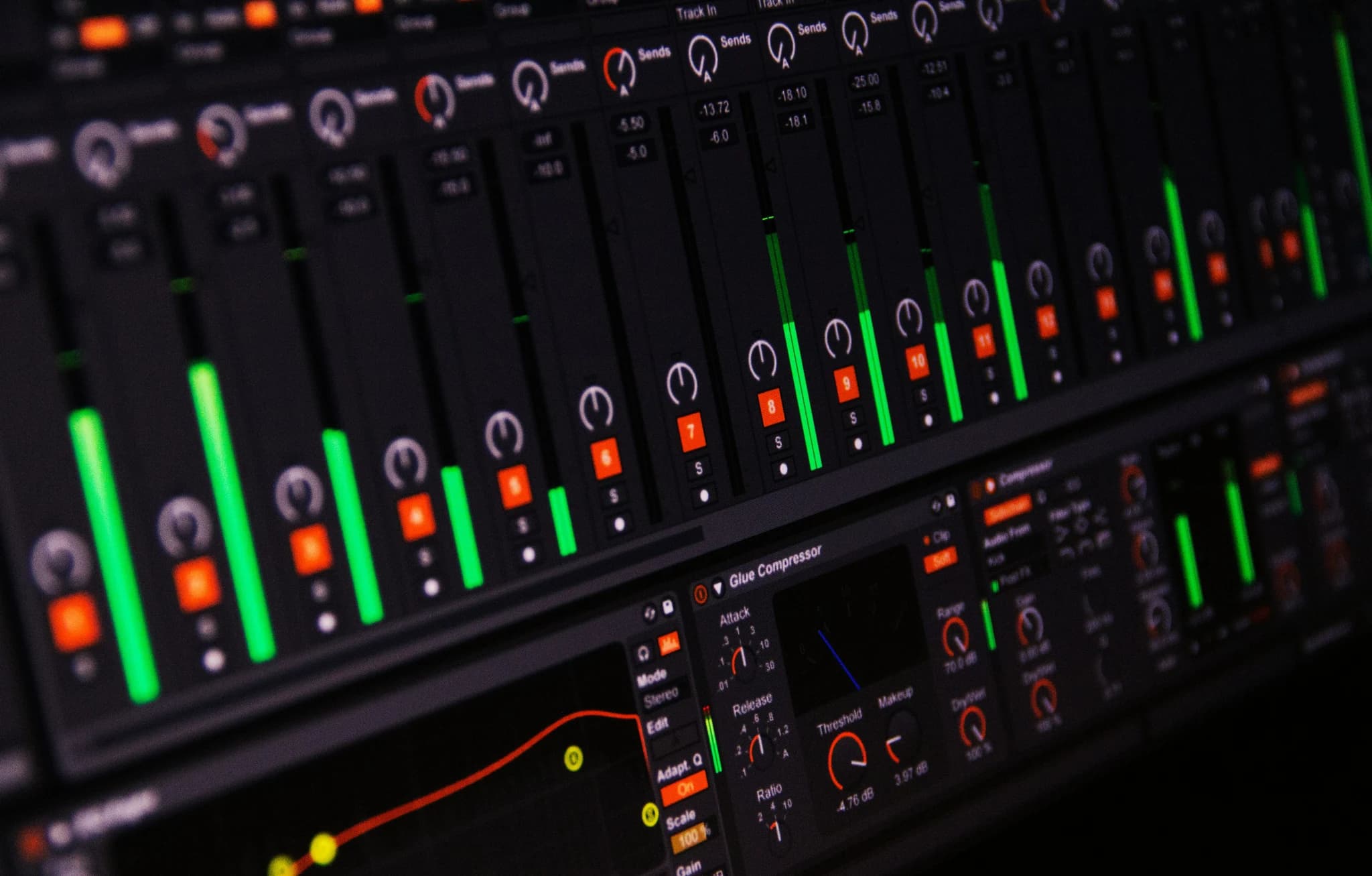
I would sit in front of Ableton for seven hours straight, carving out 300Hz mud with surgical dynamic EQs, snapping drum transients to an unforgiving 16th-note grid, and sidechaining everything until the track breathed with the sterile regularity of an ICU ventilator. The mix would be balanced, loud, and completely dead inside.
It took me recording Half Thoughts—and watching how many of my favorite drafts were 90-second voice notes recorded through cracked microphone diaphragms—to realize something fundamental: perfection in audio is an aesthetic of cowardice. It’s the fear that if you leave any quiet space or ragged edge exposed, someone will realize you don’t know what you’re doing.
Here are the truths I actually live by when the headphones are clamped over my ears at 3 AM.
1. Stop Scrubbing the Room Out of the Recording
The hardest thing for self-taught bedroom producers to unlearn is the impulse to kill all room noise. We buy reflection filters, hang heavy blankets, and slap noise gates on vocal chains until the performer sounds like they’re suspended in deep space.
But human beings don't listen to music in an anechoic vacuum. We listen in transit. In cramped bedrooms with single-pane windows. Through cheap wired earbuds on rainy bus rides.
When you leave the subtle hiss of an interface, the faint rumble of a radiator in Tallinn, or the mechanical click of fingers hitting guitar frets in the background, you are giving the listener coordinate points. You are telling them: a real person sat in a real room and breathed while this happened. That room tone is the glue that digital audio algorithms can never simulate.
2. The 16-Bar Loop Is a Trap, Not a Foundation
Every producer knows the specific purgatory of looping sixteen bars for three hours until the kick drum stops sounding like an instrument and starts sounding like a dull headache.
The reason you can't turn that loop into a song isn't because you lack "arrangement skills." It's because you've exhausted your brain's dopamine response to the motif before you ever gave it room to mutate.
When I find a phrase that moves me, I don't loop it. I immediately commit it to audio, stretch it across 3 minutes, and start violently deleting chunks. I force myself to answer the hard questions early: What happens when the bass gives out? Where does the vocal drown? A track is defined by what you withhold, not what you pile on.
3. Tape Wobble and Intentional Decay
Digital audio is cruel because it is mathematically lossless. A sample played back at 44.1 kHz sounds identical on repeat number 1,000 as it did on repeat number 1. But analog memory doesn't work that way; things degrade, warp, and drift.
To combat that digital stiffness:
- I print synth chords down to cheap microcassette tapes or route them through guitar overdrive pedals with dying 9V batteries.
- I use pitch modulation LFOs set to irregular, non-synced rates (like 0.17 Hz) so chords feel subtly off-kilter, like an old upright piano that hasn't been tuned since the nineties.
- I deliberately clip preamps on the way in. When a vocal breaks up slightly on the loud vowels, it conveys urgency that no volume automation could ever fake.
4. The Fragment Often Carries More Truth Than the Anthem
We are conditioned to think that music is only legitimate if it follows the radio architecture: intro, verse, pre-chorus, chorus, bridge, final chorus, outro.
Look at tracks like "Wish Ya Told Me!" or "Deglupta" on Half Thoughts. Some were under two minutes. Some had no chorus at all. Some ended abruptly right when you wanted them to linger.
If you've said everything you needed to say in eighty seconds, stop talking. Stretching an honest feeling across four minutes just to satisfy an arbitrary industry template is how art turns into elevator music. Trust the fragment. The things left hanging in the air linger longer in the mind than a resolution that arrived too neatly.